Kitchdi
March 11, 2023Mystery cults (or mystery religions) were a group of religions that existed in the Greco-Roman world alongside the official public religions. They usually involved an initiation into their rites and a vow of secrecy. Among the most famous mystery cults was the Cult of Demeter, which held the Eleusinian Mysteries (rites). Early Chistianity is sometimes referred to as a mystery cult.
IHS is a latinized monogram (or more specifically, a Christogram) of the first three letters of the Greek spelling of Jesus, ΙΗΣΟΥΣ, iota-eta-sigma. One famous usage of the monogram is in Giovanni Battista's Triumph of the Name of Jesus in the nave of the Church of the Gesù in Rome
I finished Mick Herron's Slough House. Herron writes spy thrillers and sometimes get mentioned in conjunction with John le Carré. The novel was readable enough, but it did not leave me wanting more, at least not immediately.
After Slough House, I started Penelope Lively's Moon Tiger. I have been slowly working my way through this well-written, sepia-toned, Booker-prize-winning novel. It reminds me of a nostalgic film like The English Patient. I am not sure why it is taking me so long to finish the book. Probably just laziness.
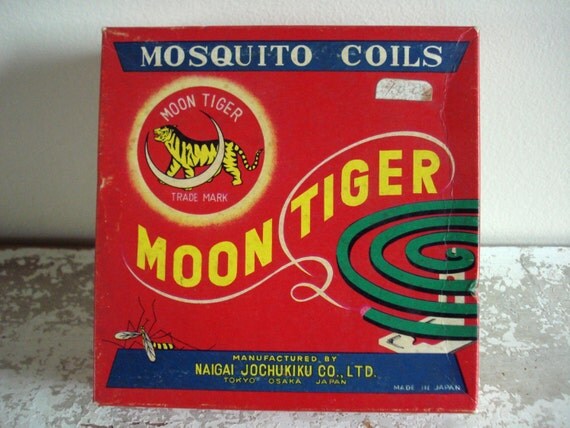
In Moon Tiger, Lively provides the etemology of aftermath when describing the end of WWII. Aftermath is such a non-descript and obvious word that I was surprised to discover it had an unusual, agricultural origin - a second growth.
Yuja Wang has put out a new album entitled The American Project. The main piece on the album is a jazzy, piano concerto composed by Teddy Abrams, but the album also includes a with a short, light-hearted piece by Michael Tilson Thomas, entitled You Come Here Often? I've always thought of Thomas as a conductor, and associated him with the San Francisco Symphony. I did not realize he is also a composer.